-
VEGETATIVE GROWTH
-
INFLORESCENCE FORMATION
-
FLOWERING
-
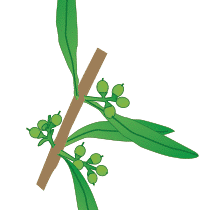
FRUIT SET
-
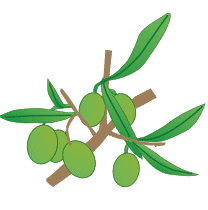
FRUIT DEVELOPMENT
-
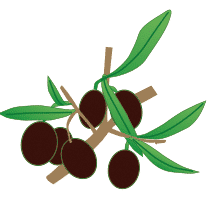
RIPENING
-
POST-HARVEST
Basic fertilization
Top-dressing fertilization
Foliar biostimulants
Post-harvest fertilization
*Fertilization recommendations are indicative and should be adjusted according to the crop, growth stage, and soil and climatic conditions.
Olive cultivation is one of the most economically important crops in Greece, closely linked to our culture, tradition, and the Mediterranean diet. It is not only a source of extra virgin olive oil production, but also of table olives, by-products, and biomass.
Achieving healthy trees with high productivity requires a holistic agronomic approach, including fertilization, irrigation, pruning, year-round crop protection practices, and soil fertility management.
Olive cultivation
Greece is among the world’s leading olive oil producers, with millions of hectares dedicated to olive cultivation. Olive trees thrive in Mediterranean climates with mild winters and hot, dry summers. Their deep root system allows them to tolerate drought conditions; however, proper irrigation and balanced nutrition are essential to ensure optimal productivity.
Strategic orchard planning, soil health management, and balanced plant nutrition not only enhance yield but also extend the longevity of olive trees, some of which remain productive for centuries.
olive fertilization
Balanced nutrition is essential for successful olive cultivation. A specialized fertilizer for olive trees promotes vegetative growth, flowering, and fruit set. Key nutrients include:
- Nitrogen (N): stimulates vegetative growth and supports fruit set
- Phosphorus (P): essential for root development and early growth
- Potassium (K): crucial for oil production, fruit quality, and stress tolerance
- Calcium and micronutrients: particularly boron (B), which improves flower fertilization, fruit retention, and oil quality
Specialized fertilizers for olives, along with the application of biostimulants through foliar sprays, help correct nutrient deficiencies quickly and effectively.
plant protection program
Effective crop protection ensures that olive trees are safeguarded against pathogens and major threats such as olive fruit fly (Bactrocera oleae), peacock spot (Spilocaea oleagina), and various fungal diseases. Growers rely on specialized crop protection programs that cover the entire growing season.
- Winter program with copper-based products: protection against fungal pathogens
- Spring applications: protection of flowering and fruit set
- Summer and autumn treatments: targeting olive fruit fly and ensuring fruit quality
Sustainable, year-round olive crop protection combines biological practices with chemical methods, aligned with European standards for residue management and environmental protection.
olive harvesting
Olive harvesting is a critical stage for olive growers. The timing depends on the intended use:
- Green table olives: harvested early to maintain firm texture
- Black table olives: harvested later to reach full ripeness
- Olives for oil production: harvested when fruits are partially or fully mature, ensuring optimal oil content and quality
Modern mechanical harvesters are widely used in intensive olive orchards, while traditional hand picking remains common in mountainous areas. The harvest stage also significantly affects olive oil acidity, flavor profile, and storage stability.
Frequently asked questions for olive cultivation
When does the olive tree flower?
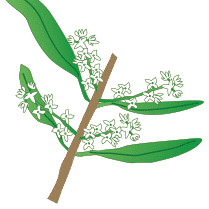
Olive flowering occurs from May to early June, depending on the region and climatic conditions. Adequate nutrition, particularly boron and nitrogen before flowering, is critical for proper pollination and fruit set.
After how many years does an olive tree start bearing fruit?
Olive trees typically begin to bear fruit 3–5 years after planting, depending on the variety, soil conditions, and crop management practices. Full commercial production is usually achieved after 7–10 years, while with proper care, trees can remain productive for many decades.
When should fertilizers be applied to olive trees?
Fertilization is typically applied during two main periods:
- Late winter to early spring: to support vegetative growth, flowering, and fruit set
- Autumn (post-harvest): to replenish nutrient reserves and prepare trees for the next growing season
Soil and leaf analysis are essential for accurately determining nutrient requirements and avoiding imbalances.
When should copper be applied to olive trees?
Copper is mainly applied in late winter and early spring, before bud swelling, to control fungal diseases such as peacock spot and anthracnose. Additional applications may be required in autumn, after harvest, especially following heavy rainfall, to protect pruning wounds and reduce disease incidence.
What is the best fertilizer for olive trees?
The appropriate fertilizer depends on tree age, yield level, and soil fertility. A balanced program includes:
- Nitrogen (N): for growth and fruiting
- Potassium (K): for oil synthesis and fruit quality
- Boron (B): for flowering and fruit set
- Calcium and magnesium: for balance and stress tolerance
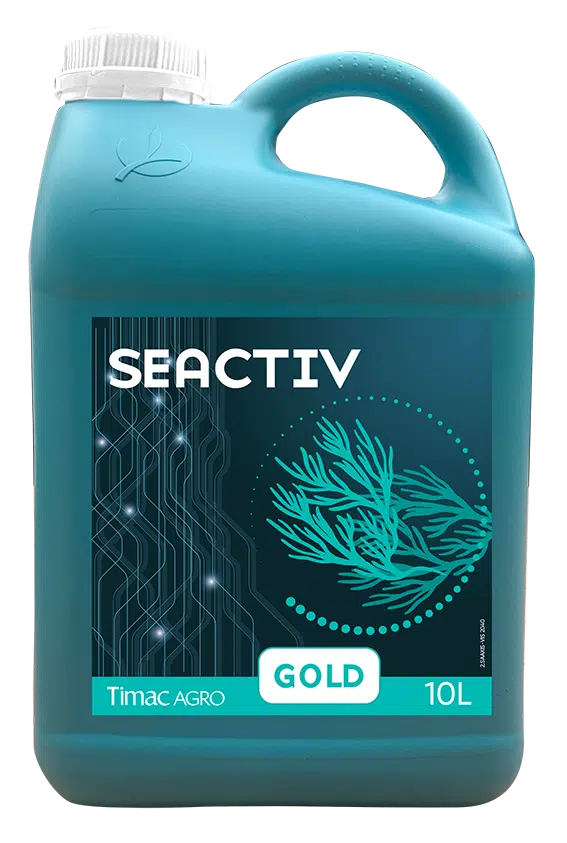
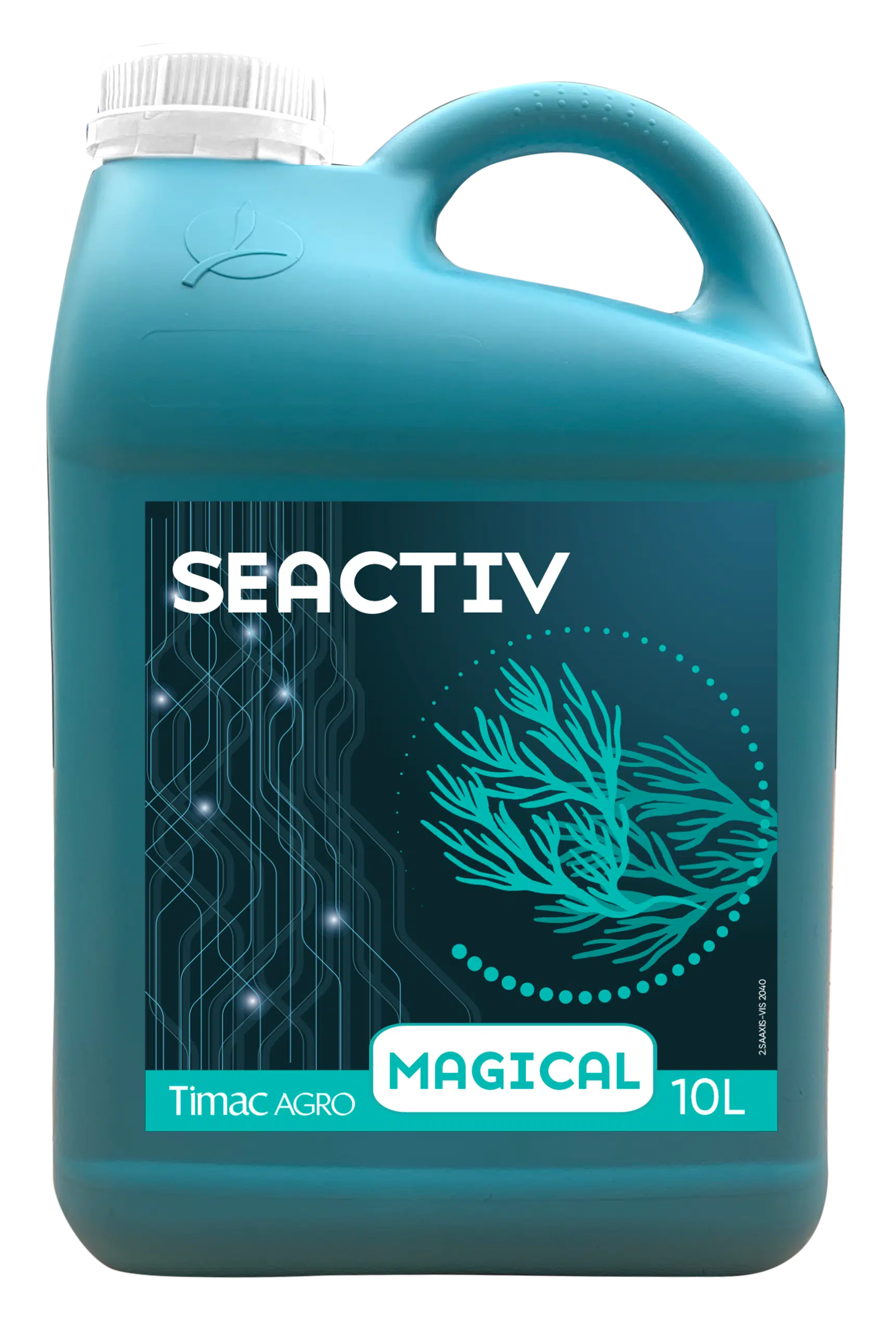
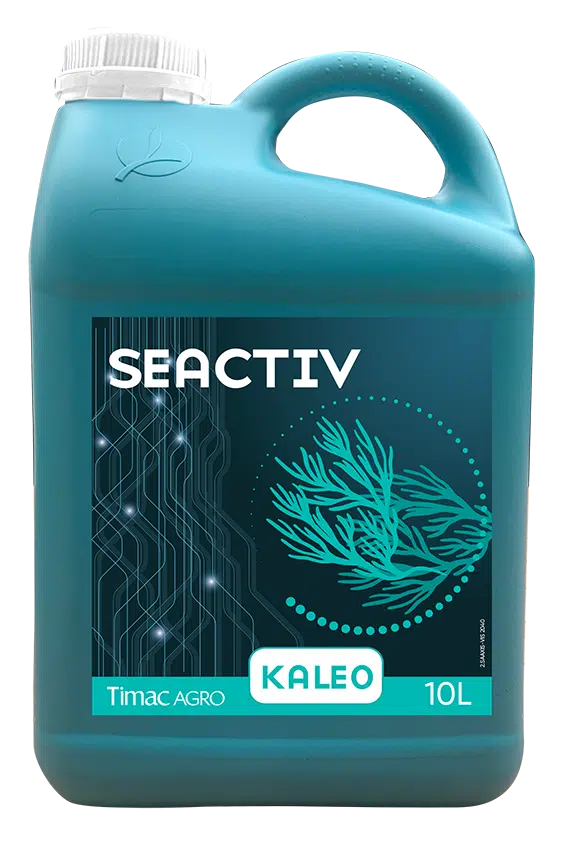
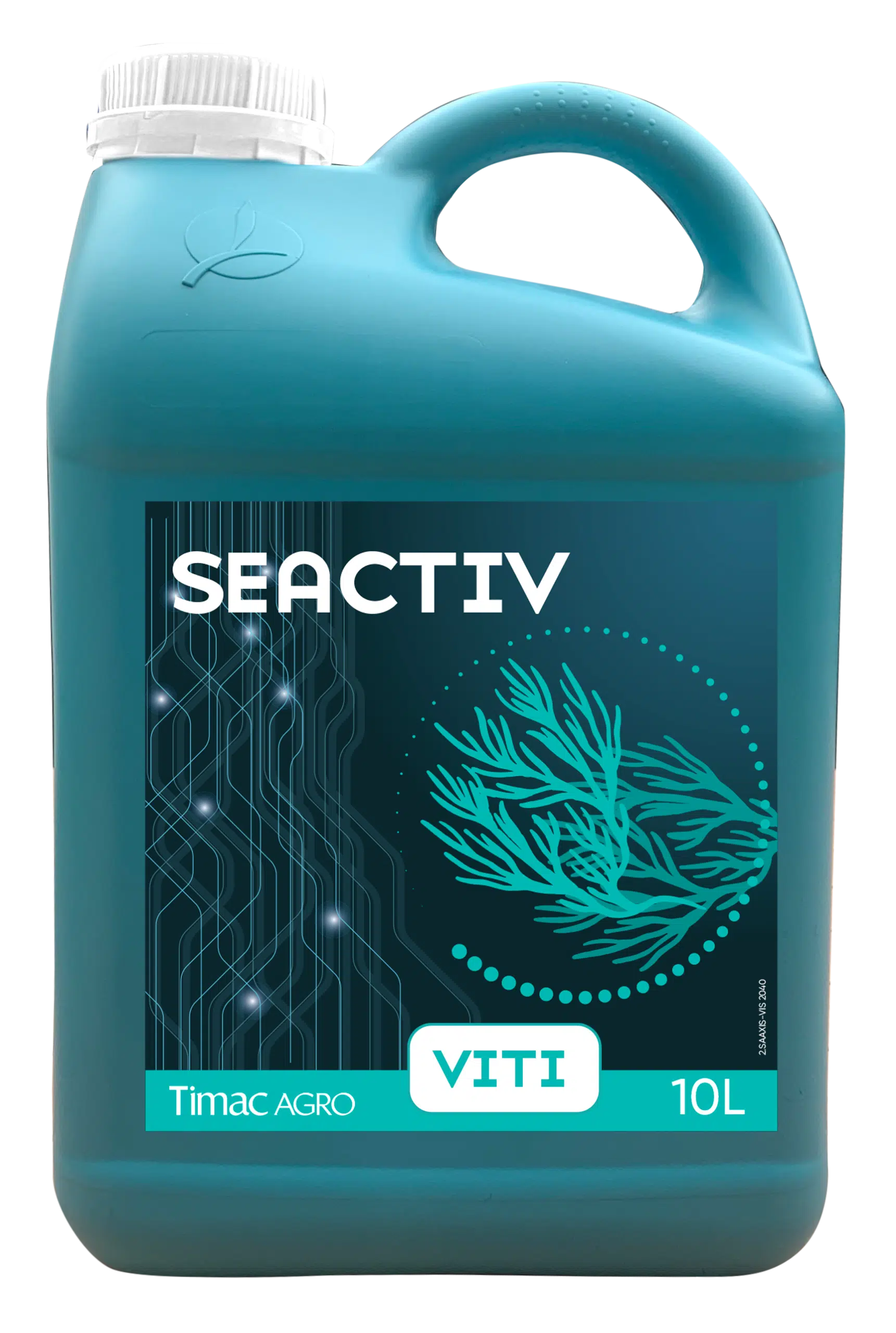
Combining basal soil fertilization with foliar applications improves nutrient use efficiency and enhances olive tree productivity. Additionally, strengthening the fertilization program with TIMAC AGRO | LYDA biostimulants helps trees maximize their productive potential.
What are the most common olive diseases in Greece?
The main diseases are:
- Peacock spot (Spilocaea oleagina)
- Anthracnose (Colletotrichum spp.)
- Verticillium wilt (Verticillium dahliae)
Preventive management – through resistant varieties, proper fertilization, appropriate pruning, and a timely, year-round crop protection program – is essential.
Why is olive production not consistent every year?
Olive trees often exhibit alternate bearing, meaning one year of high yield followed by a year of low production. Balanced fertilization, proper pruning, efficient irrigation, and crop load management help reduce this phenomenon.
Is olive cultivation profitable in Greece?
Yes. Olive cultivation in Greece benefits from strong international demand, PDO products, and the high quality of extra virgin olive oil. Profitability depends on production stability, quality management, and the optimization of fertilization and crop protection practices.
Where can I find fertilizers for olive trees from TIMAC AGRO | LYDA?
TIMAC AGRO | LYDA has an extensive network of partners throughout Greece, who can provide tailored advice on olive cultivation as well as on the application of its products in each specific olive grove.