
Cereals (Wheat, Barley, Oats)

Cereals are the most widely cultivated crops worldwide, occupying a larger area than any other crop, and they form the foundation of human nutrition across all regions of the world. In Greece, durum wheat is the predominant cereal crop.
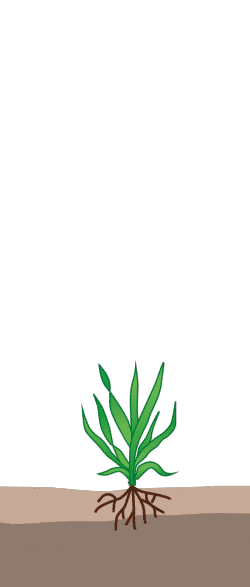
  • crop step 0

    SOWING AND CROP ESTABLISHMENT

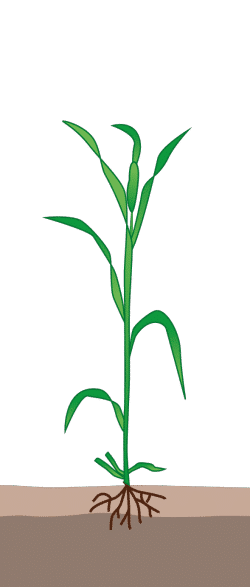
  • crop step 1

    TILLERING

  • crop step 2

    FLAG LEAF – STEM ELONGATION

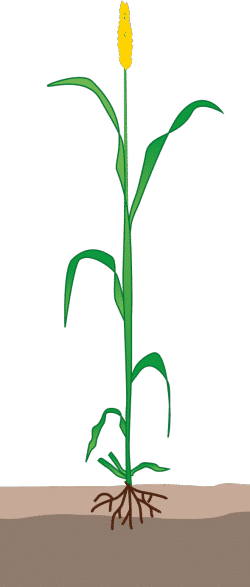
  • crop step 3

    HEADING – FLOWERING

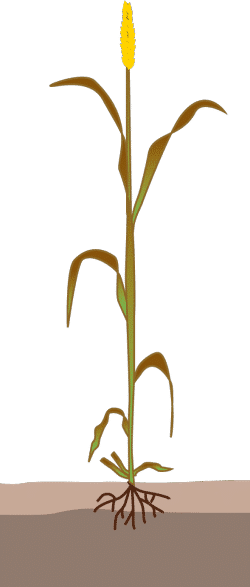
  • crop step 4

    RIPENING

Basic fertilization

Top-dressed fertilization

Root-applied biostimulants

Foliar biostimulants

*Fertilization recommendations are indicative and should be adjusted according to the crop, growth stage, and soil and climatic conditions.

WHEAT IN GREECE


Wheat cultivation is one of the most important agricultural activities in Greece, forming the basis for the production of bread, pasta, and animal feed. Wheat plays a central role in both the country’s diet and economy, with major cultivation areas located in Thessaly, Macedonia, Thrace, and the Peloponnese. To achieve high yields and good grain quality, growers should adopt an integrated approach that includes proper wheat fertilization, irrigation management, crop protection programs, selection of resistant varieties, and optimal harvest timing.

WHEAT CULTIVATION


Wheat thrives in Mediterranean climates characterized by mild, rainy winters and warm, dry summers. In Greece, two main types are cultivated: soft wheat (for bread production) and durum wheat (for pasta).

Successful cultivation depends on proper soil preparation, crop rotation practices, and the selection of suitable varieties adapted to local soil and climatic conditions. Farmers prioritize varieties with high yield potential, disease resistance, and good grain quality.

WHEAT FERTILIZATION


Fertilization is a cornerstone of successful wheat cultivation. Key nutrients include:

  • Nitrogen (N): enhances tillering, vegetative growth, and protein content
  • Phosphorus (P): supports root development and vigorous early growth
  • Potassium (K): improves stress tolerance and grain filling
  • Micronutrients (Zn, Mn, B, Fe): enhance flowering, enzymatic activity, and grain quality

In practice, wheat fertilization programs involve split nitrogen applications – before sowing, at the tillering stage, and during stem elongation – to ensure a continuous supply of nutrients throughout the crop cycle.

WHEAT IRRIGATION


Although wheat has moderate drought tolerance, irrigation is often required in Greece to achieve maximum productivity. Critical growth stages include:

  • Tillering: promotes the development of secondary shoots
  • Heading and flowering: determines the number of grains
  • Grain filling: ensures grain size and quality

Proper water management improves not only yield but also protein content and gluten stability.

WHEAT HARVESTING


Wheat harvesting is the final stage of the crop cycle. Timing depends on grain moisture content (ideally 12–14%) and end use:

  • Soft wheat: requires high baking quality (strong gluten)
  • Durum wheat: requires high protein content and kernel hardness for pasta production

Modern combine harvesters enable fast and efficient harvesting, while optimal timing is critical for both yield and grain quality.

FREQUENTLY ASKED QUESTIONS ABOUT WHEAT

When is wheat sown in Greece?

Typically from October to November, depending on the region and the variety.

Phosphorus is applied as a basal fertilizer before sowing. Nitrogen is applied in split doses: before sowing, at the tillering stage, and during stem elongation.

From 2.5 to 6.0 kg per hectare, depending on the wheat type, soil fertility, irrigation, and overall crop management practices.

From late May to early July, depending on the region and weather conditions.

Varieties with high yield potential, resistance to rust diseases, and superior quality characteristics are generally preferred.

Other Crops