
Vineyard

Vineyard cultivation is a key pillar of Greek agriculture, aiming at both table grape production and winemaking.
  • crop step 0

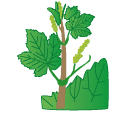
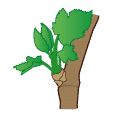
    BUD SWELLING

  • crop step 1

    LEAF EMERGENCE

  • crop step 2

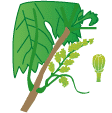
    INFLORESCENCE EMERGENCE

  • crop step 3

    FULL INFLORESCENCE DEVELOPMENT

  • crop step 4

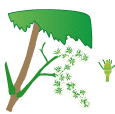
    FLOWERING

  • crop step 5

    FRUIT SET

  • crop step 6

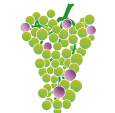
    FULL BERRY DEVELOPMENT

  • crop step 7

    VERAISON

  • crop step 8

    RIPENING

  • crop step 9

    POSTHARVEST

*Fertilization recommendations are indicative and should be adjusted according to the crop, growth stage, and soil and climatic conditions.

vineyard fertilization

Description

Vineyard fertilization is a key strategic factor for producing high-quality grapes and ensuring sustainable viticulture in Greece. From table grapes to wine production, balanced plant nutrition determines yield stability, sugar accumulation, polyphenol composition, and tolerance to abiotic stress.

Greek vineyards face several constraints, including calcareous soils, summer drought, salinity risks, and the challenge of maintaining a proper balance between vegetative growth and yield. An integrated fertilization program – combining basal soil fertilization, foliar nutrition, biostimulants, and proper application timing – ensures sustainable productivity and optimizes grape quality.

vineyard cultivation in Greece

Vine cultivation is deeply rooted in Greek agricultural tradition. Greece has thousands of hectares of vineyards producing both PDO wines and table grapes.

Successful vineyard management requires:

  • Proper selection of variety and rootstock
  • Balanced pruning
  • Efficient irrigation management
  • Effective crop protection
  • Targeted fertilization

Vine is a perennial crop with significant nutrient removal through harvest. Therefore, nutrient replenishment is essential to maintain soil fertility and ensure long-term productivity.

balanced vine fertilization

An effective fertilization strategy addresses a key question for growers: when should fertilizers be applied in vineyards?

Key nutrients:

  • Nitrogen (N): supports vegetative growth. Excessive application reduces fruit quality and increases susceptibility to diseases.
  • Phosphorus (P): enhances root development and early growth, particularly important in calcareous soils.
  • Potassium (K): essential for sugar translocation, berry size, color development, and drought tolerance.
  • Calcium (Ca) & Magnesium (Mg): contribute to photosynthesis and berry firmness.
  • Boron (B) & Zinc (Zn): critical for flowering and fruit set.


Αμπέλι λίπασμα

irrigation and vine nutrition

Water management directly affects nutrient uptake. In Greek vineyards, deficit irrigation is often applied to improve grape quality.

However, nutrient availability must be synchronized with water supply to avoid yield losses due to stress.

Biostimulants help vines cope with:

  • Drought
  • High temperatures
  • Salinity
  • Transplant stress

FREQUENTLY ASKED QUESTIONS ABOUT VINEYARD CULTIVATION AND FERTILIZATION

When should fertilizers be applied in vineyards?

Basal fertilization is applied:

  • In late winter to early spring
  • After harvest to replenish nutrient reserves

Foliar fertilization is applied before flowering and during berry development.

There is no one-size-fits-all solution. It depends on soil conditions, variety, and production goals. Balanced fertilizers enriched with calcium and micronutrients are commonly used.

Yes, mainly during the early growth stages, but it should be adjusted according to the crop’s specific needs.

Winter pruning is carried out in January–February, while green pruning takes place in spring.

  • Downy mildew
  • Powdery mildew
  • Botrytis (gray mold)

Prevention and proper nutrition help reduce the severity of infections.

It is essential for the control of powdery mildew and is applied preventively.

It is steadily expanding, but requires proper nutrition and effective management.

Excessive nitrogen fertilization reduces aromatic compounds and polyphenols, while potassium and micronutrients enhance grape composition.

Proper vineyard fertilization is not only about yield, but also about quality, resilience, and long-term soil fertility.

In Greek viticulture, the combination of soil fertilization, foliar nutrition, irrigation, and crop protection ensures stable production and high grape quality.

A scientifically designed nutrition program translates the vineyard’s potential into measurable results – from grapes to high-quality wine.

Other Crops