Apple

Apple cultivation is widespread across many regions of Greece and requires careful management throughout the annual growth cycle. From bud break to harvest, each stage influences fruit quality, size, and storability.
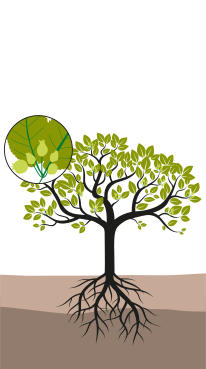
  • crop step 0

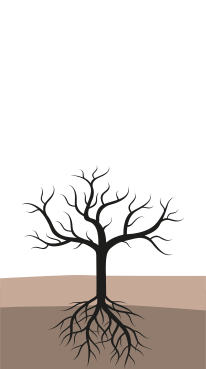
    DORMANCY

  • crop step 1

    BUD SWELLING

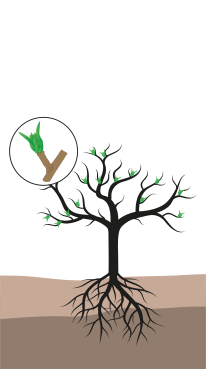
  • crop step 2

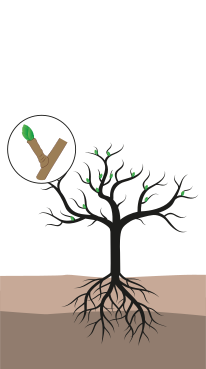
    BUD BREAK

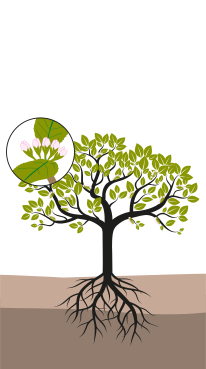
  • crop step 3

    BEGINNING OF FLOWERING

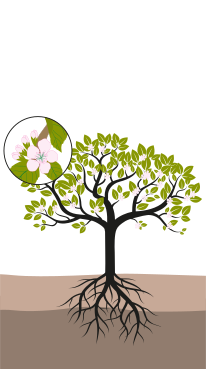
  • crop step 4

    FLOWERING

  • crop step 5

    PETAL FALL

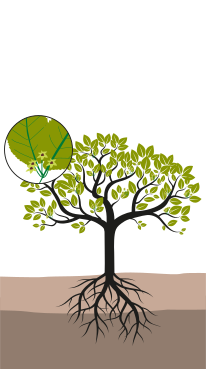
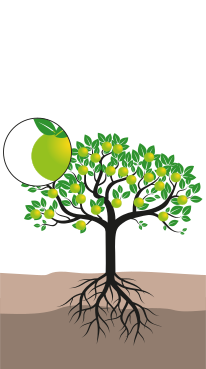
  • crop step 6

    FRUIT SET

  • crop step 7

    FRUIT DEVELOPMENT

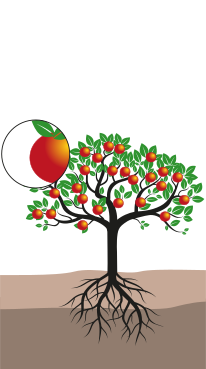
  • crop step 8

    RIPENING

Apple cultivation is one of the most important sectors of fruit growing in the Mediterranean region, with significant economic value. Producing high-quality apples depends not only on selecting the right variety, but also on proper plant nutrition, soil health, the development of a strong root system, and effective orchard management throughout the growing season.

Each growth stage, from bud swelling to harvest, influences fruit size, coloration, firmness, and storability. A well-designed fertilization program helps maintain tree productivity while enhancing their tolerance to abiotic stress.

UNDERSTANDING THE ANNUAL GROWTH CYCLE OF APPLE TREES

The annual growth cycle of apple trees consists of successive developmental stages, each characterized by different nutritional requirements:

  • Dormancy

  • Bud break

  • Flowering

  • Fruit set

  • Fruit development

  • Harvest

  • Post-harvest nutrient reserve accumulation

Meeting the nutritional requirements of each stage at the right time is essential for maximizing apple yield and quality.

SOIL PREPARATION AND ORCHARD ESTABLISHMENT

A productive apple orchard starts with healthy, fertile soil.

Before planting, it is essential to assess:

  • Soil texture

  • Soil pH

  • Organic matter content

  • Soil drainage

  • Nutrient availability

Improving soil structure promotes root system development and creates favorable conditions for long-term orchard productivity.

At the same time, healthy soils have a greater capacity to retain moisture, which is particularly important under Mediterranean climatic conditions.

atc apple

ROOT SYSTEM DEVELOPMENT: THE FOUNDATION OF A PRODUCTIVE APPLE ORCHARD

A strong and well-developed root system is the foundation of apple tree productivity.

Healthy roots contribute to:

  • More efficient water absorption

  • Improved nutrient uptake

  • Faster establishment of young trees

  • Greater drought tolerance

  • Better recovery following environmental stress

In perennial crops such as apple trees, investing in root system health provides long-term benefits for many years.

APPLE FERTILIZATION

An effective apple tree fertilization program should be based on:

  • Soil analysis

  • Leaf tissue analysis

  • Orchard age

  • Expected yield

  • Irrigation management

Rather than applying fixed fertilizer rates, nutrient management should be adapted to the actual needs of the trees throughout the growing season.

Balanced fertilization improves nutrient use efficiency and helps minimize nutrient losses to the environment.

MOST COMMON CHALLENGES IN APPLE CULTIVATION

Apple growers often face various challenges that can limit crop productivity and fruit quality, including:

  • Water stress (drought)

  • Small fruit size

  • Nutrient deficiencies

  • Irregular fruit set

  • Heat stress

  • Poor fruit coloration

  • Alternate bearing

Early identification of these issues allows growers to implement corrective measures before yield and fruit quality are adversely affected.

IMPROVING FRUIT QUALITY THROUGH AGRONOMIC PRACTICES

Apple quality is determined not only by yield but also by the commercial characteristics of the fruit.

Proper orchard management contributes to:

  • Uniform fruit size

  • Intense and uniform fruit coloration

  • Improved flesh firmness

  • Increased sugar content (°Brix)

  • Extended storage life

  • Reduced incidence of physiological disorders

Achieving these objectives requires a combination of balanced plant nutrition and appropriate cultivation practices that maintain tree health throughout the growing season.

apple tree algeria5

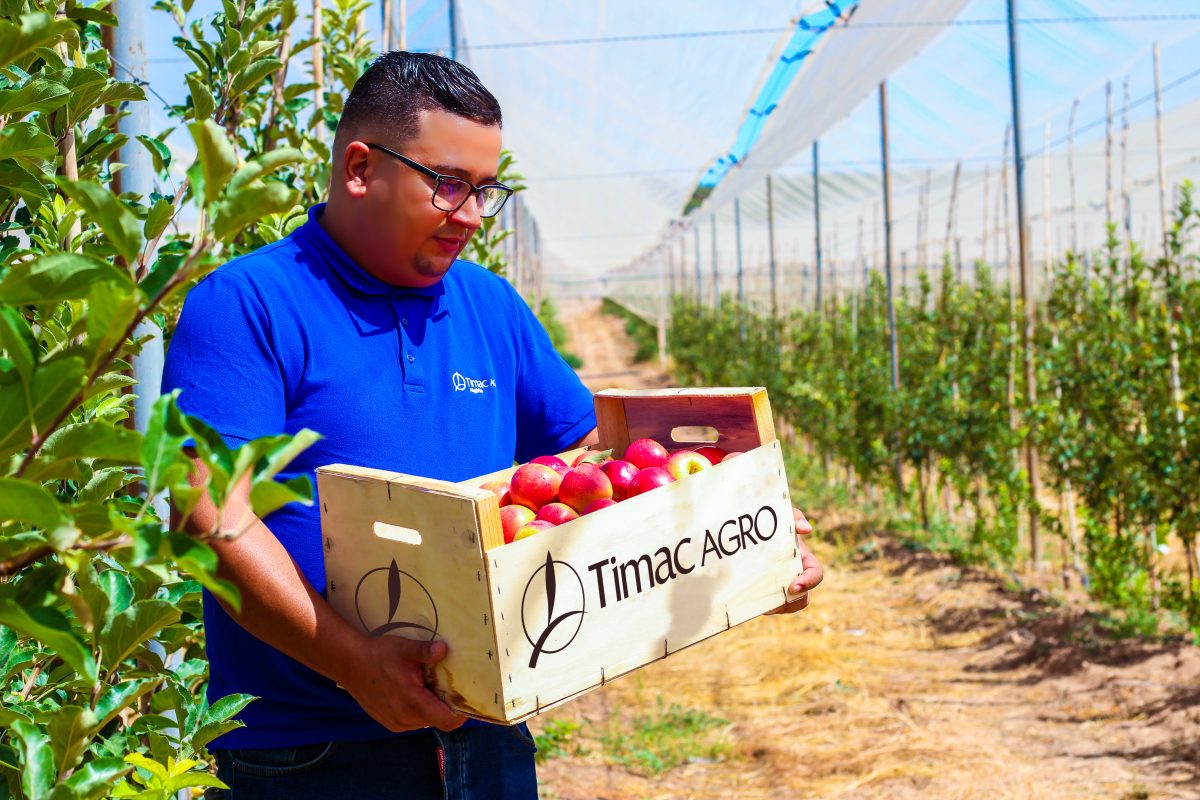
TIMAC AGRO | LYDA SOLUTIONS FOR APPLE TREES

TIMAC AGRO develops specialized plant nutrition solutions tailored to the specific requirements of apple trees.

Our approach combines:

  • Balanced fertilization

  • Improved nutrient availability

  • Enhanced root system activity

  • Greater tolerance to abiotic stress

By supporting both soil health and tree physiology, TIMAC AGRO helps apple growers improve productivity while maintaining consistently high fruit quality year after year.

Conclusion

Successful apple cultivation requires much more than seasonal fertilizer applications.

The combination of healthy soil, balanced plant nutrition, a strong root system, and integrated orchard management contributes to higher yields, superior fruit quality, and greater tree longevity.

Through its expertise in plant and soil nutrition and its commitment to agronomic innovation, TIMAC AGRO supports apple growers in developing productive and resilient orchards.

FREQUENTLY ASKED QUESTIONS

What are the key factors for successful apple cultivation?

Soil health, balanced fertilization, proper irrigation, the development of a strong root system, and effective orchard management are essential for achieving high yields and producing high-quality fruit.

The nutritional requirements of apple trees vary throughout the growing season. Fertilization is particularly important during bud break, flowering, fruit development, and after harvest, when trees replenish their nutrient reserves.

A well-developed root system enhances water and nutrient uptake, improves tree tolerance to drought, and supports the production of high-quality fruit.

Balanced plant nutrition, good soil health, and effective management of abiotic stress contribute to improved fruit size, coloration, firmness, and storability.

Nitrogen, phosphorus, potassium, calcium, and micronutrients play a crucial role, with nutrient requirements varying depending on the crop’s growth stage.

Other Crops