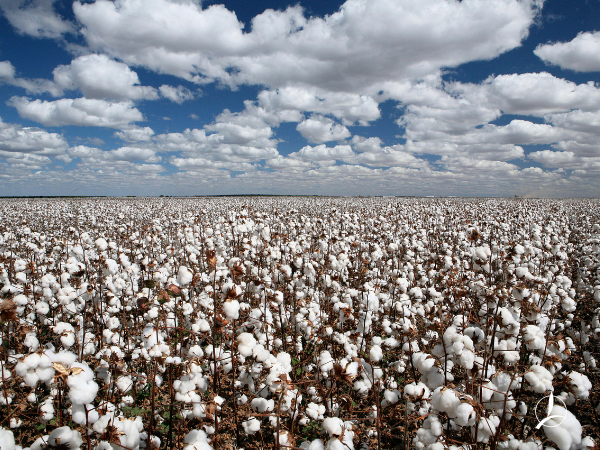


Cotton is one of the most strategic field crops in Greece, positioning the country as the leading cotton producer in Europe and a key supplier to the global textile industry. Thanks to favorable climatic conditions, fertile plains, and strong technical expertise, cotton cultivation plays a central role in Greek agriculture and rural economies.
Achieving high yields, consistent fiber quality, and sustainable profitability requires farmers to rely on precise agronomic management. This includes the careful selection of varieties, optimal sowing time, proper fertilization, efficient irrigation, effective weed and pest control, and the right timing of harvest. Optimized cotton cultivation is essential to fully unlock the potential of Greek cotton, both in domestic markets and in exports.
-
SOWING
-
EMERGENCE
-

COTYLEDONS
-

3-4 LEAVES
-

6-8 LEAVES
-
SQUARE FORMATION
-
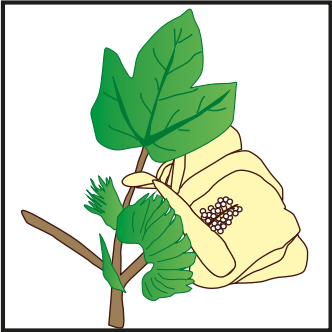
FLOWERING
-
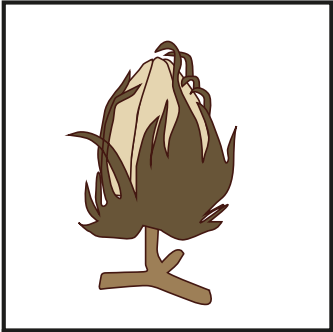
BOLL DEVELOPMENT
-
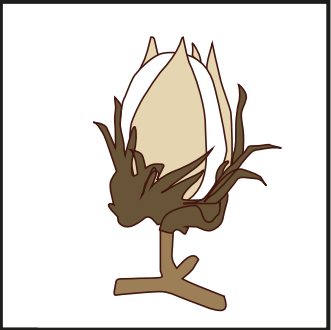
BOLL OPENING
-
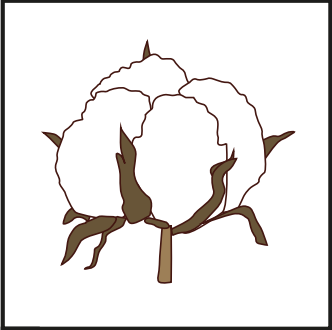
MATURITY
Basic fertilization
Top fertilization
Root-applied biostimulants
Foliar biostimulants

COTTON CULTIVATION IN GREECE
Greece accounts for more than 80% of Europe’s cotton production, with cultivation mainly concentrated in Thessaly, Central Macedonia, Thrace, Central Greece, and parts of Western Greece.
The cotton plant thrives in warm climates with long summers, high solar radiation, and moderate rainfall. It is well suited to mechanized farming systems and large-scale production.
Key agronomic requirements for successful cotton cultivation:
- Deep, fertile soils with good structure
- Well-drained fields to prevent root system stress
- Adequate nitrogen and potassium supply
- Efficient irrigation during flowering and boll development
- Integrated weed and pest management
The cotton plant is characterized by vigorous vegetative growth and requires balanced nutrition to avoid excessive foliage development at the expense of fruiting.
COTTON PLANT AND VARIETIES
Cotton belongs to the genus Gossypium. In Greece, varieties are selected based on their high yield potential, fiber quality (particularly fiber length), and tolerance to stress conditions.
Key agronomic characteristics:
- Deep root system, sensitive to soil compaction
- High nutrient requirements during the flowering stage
- Sensitivity to water stress and high temperatures during boll setting
The selection and quality of cottonseed play a crucial role in achieving uniform emergence and vigorous early growth, directly influencing final yield and fiber quality.
COTTON SOWING AND ESTABLISHMENT
Cotton sowing typically takes place from April to early May, when soil temperature exceeds 14–15°C.
Key success factors:
- Uniform seedbed preparation
- Certified cottonseed
- Optimal sowing depth (3–5 cm)
- Balanced basal fertilization
- Timely weed control
Proper crop establishment ensures strong early growth and reduces susceptibility to weeds, pests, and early-season stress.
FREQUENTLY ASKED QUESTIONS ABOUT COTTON
When is cotton sown in Greece?
Sowing takes place from April to early May, depending on soil temperature and local climatic conditions.
When is cotton harvested?
Harvesting usually takes place in September and October.
What is the best fertilization program for cotton?
A comprehensive program includes basal fertilization, nitrogen management during crop development, and the supply of micronutrients such as boron and zinc. The inclusion of biostimulants in the nutrition program can help the plant maximize its full potential.
Does cotton require irrigation?
Yes, cotton requires irrigation, especially in regions with limited or irregular rainfall. Adequate water supply is critical during key growth stages, particularly flowering and boll development, to ensure high yields and good fiber quality.
What are the main diseases of cotton?
Major issues include root system diseases, pathogens affecting the leaf surface, and stress associated with insect infestations.
Why is Greek cotton of particularly high quality?
Greek cotton combines high fiber quality, traceability, and sustainable production standards.